


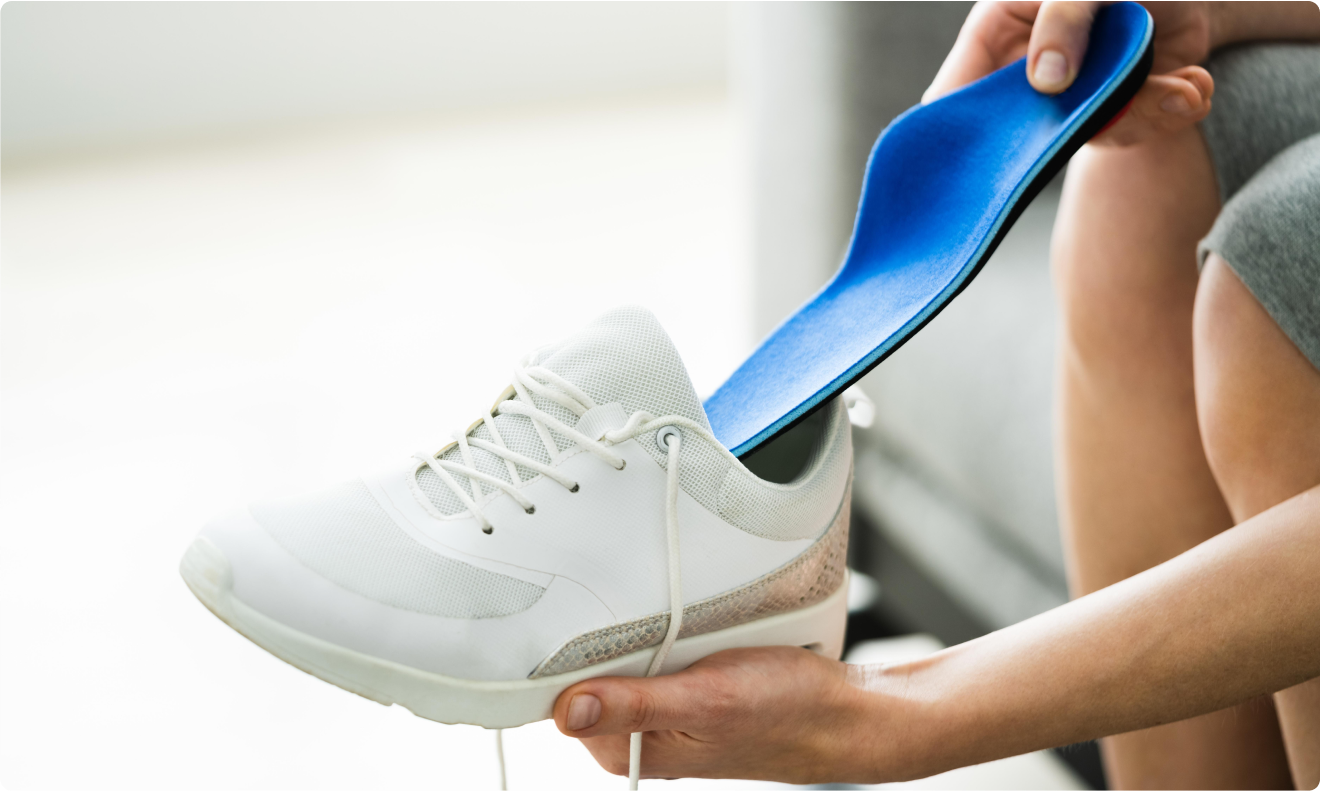
Renewing orthopedic insoles is essential to ensure they continue to provide the necessary support and comfort. The replacement time depends on several factors, including usage intensity, material quality, and foot condition. Here are some key signs that indicate it’s time to replace your orthopedic insoles:
1. Material Wear and Tear
One of the most obvious signs is visible wear. Look out for insoles that are:
- Noticeably worn, especially in areas under the most pressure (such as the heel and forefoot).
- Compressed or deformed, leading to a loss of their original shape and structure.
- Cracked or damaged on the surface, which can reduce their effectiveness.
2. Reduced Arch Support
Orthopedic insoles are designed to support the foot’s arches and ensure proper weight distribution. If you feel that the arches are no longer well-supported, or if you experience pain and fatigue in your feet, ankles, or knees, it may indicate that the insoles are no longer functioning as intended.
3. Discomfort and Pain
If you start experiencing discomfort or pain in your feet, which was previously alleviated by the insoles, this is a clear signal that they need replacement. Pain may occur in the heels, arch, ankles, or even the knees and back.
4. Changes in Foot Structure
Over time, the structure of the foot may change due to factors like age, injuries, pregnancy, or excess weight. Even if the insoles appear to be in good condition, they may no longer meet the foot’s new needs. Changes in walking or standing posture, or recommendations from a doctor or physiotherapist, may indicate the need for new insoles.
5. Intensive Use
Insoles used intensively, such as by athletes or people who spend a lot of time on their feet, wear out faster. Typically, with regular and intensive use, insoles may need replacement every 6 to 12 months. For less frequent use, this period can extend to 1-2 years.
6. Specialist Recommendation
Periodic check-ups with an orthopedist or physiotherapist can help determine if the insoles still provide adequate support. Specialists can identify issues not obvious to the wearer and recommend replacement or adjustments.
7. Change in Footwear
Switching to different types of shoes, especially those with varying levels of support (e.g., from casual to athletic shoes), may require new insoles tailored to the new conditions.
8. Odor and Hygiene Reasons
Over time, insoles can retain moisture, sweat, and bacteria, leading to unpleasant odors or even skin infections. If regular cleaning doesn’t help and the insoles seem compromised from a hygiene perspective, replacing them is a good idea.
9. Reduced Cushioning
Insoles that initially provided good cushioning may lose their softness over time. If walking feels harder or less comfortable, it could mean the insoles have lost their shock-absorbing properties.
How Often Should Orthopedic Insoles Be Replaced?
There is no universal replacement timeframe, but it is recommended to replace them:
- Every 12 to 24 months for moderate use.
- Every 6 to 12 months for intensive use (such as sports or standing work).
- Whenever there is visible wear or changes in comfort and support, or structural changes in the foot.
Proper care, including regular cleaning and avoiding extreme conditions like excessive moisture or heat, can extend the lifespan of orthopedic insoles. However, regular replacement is essential to ensure optimal support and comfort.